 By the Vietnam Expat team. Last reviewed 2026-09-22
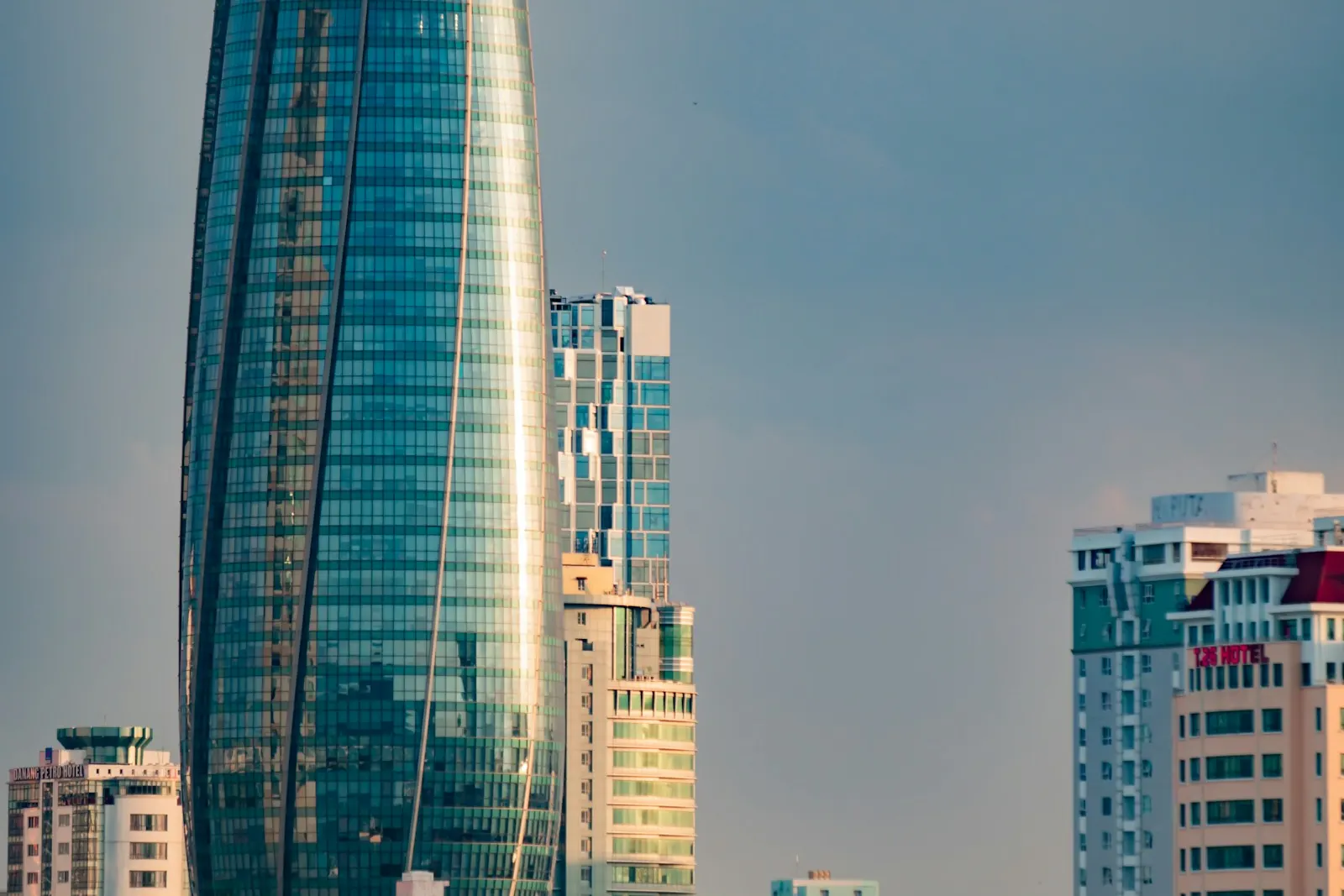
What does it mean to try living in Vietnam before moving?
A trial stay is a visit of several weeks to test daily life.
You repeat a commute, price a grocery run, and sit through one bad-weather evening. You do it all before you commit to anything permanent.
A trial stay lets you test relocation to Vietnam before you commit. The 2014 entry law lists no visa for it.
Source: LuatVietnam
Which visa works for a trial stay?
Vietnam's 2014 immigration law names no trial stay visa. Ask a licensed Vietnamese lawyer which route fits your passport and purpose.
The e-visa costs US$25 for one entry or US$50 for multiple entries, and it lasts up to 90 days. A 45 day exemption covers 24 nationalities, and 12 of them are for tourism only.
Every visa type except the e-visa needs a sponsor, per the US State Department.
Is your visit a business or investment scouting trip? ASEAN Briefing describes a visa it calls DN as covering meetings, contract talks and market research, for one month up to a year. It says DN visas do not authorize employment.
Law 51/2019/QH14 later replaced that single DN symbol with two types. DN1 is for people who work with a Vietnam-based enterprise or organization that has legal person status. DN2 is for people who enter to offer services, set up a commercial presence, or do other activities under a treaty Vietnam has signed.
Like every visa type except the e-visa, DN1 and DN2 need a sponsor. Confirm which one fits your trip with a licensed Vietnamese lawyer.
Which visa types cover the move itself?
The move itself is different, and Law 51/2019/QH14 changed the visa types that go with it.
That law amended Article 8 of Law 47/2014/QH13 and has been in force since 1 July 2020. It split several of the original visa types into narrower ones.
LĐ1 and LĐ2 are for people who come to work. They split by whether a work permit is required. ĐT1 to ĐT4 are for foreign investors, tiered by how much capital they put in.
TT is for family. It covers the spouse or minor child of someone who holds a qualifying long-term visa.
That includes LĐ1, LĐ2 and the three larger investor tiers, but not the smallest, ĐT4. TT also covers the parent, spouse or child of a Vietnamese citizen.
Sources: LuatVietnam (1, 2, 27), Vietnam Government News, Embassy of Vietnam in Japan (9, 10), US Department of State, ASEAN Briefing
How long should a trial stay run?
A trial stay should run long enough to repeat a routine more than once.
Companies call a short version a look-see visit. It's a pre-move trip to view properties and check schools before committing. One relocation firm says many corporate packages include one, scheduled in the weeks before the move.
One outside benchmark isn't about Vietnam, but it helps. A University of Kansas study says acquaintances need about 50 hours together to become casual friends. They need more than 200 hours to become close friends.
At three hours of shared time a day, a five day trip gives 15 hours. Reaching 50 hours takes about two and a half weeks. Treat that as a minimum.
That's shorter than the e-visa's 90 day limit and the exemption's 45 days. Whether either covers your purpose is a question for a licensed Vietnamese lawyer.
A longer stay leaves room for a second bank visit. The first visit may only give you a list of documents you didn't bring.
Sources: Blueground, Global Mobility Solutions, University of Kansas newsroom, LuatVietnam, Vietnam Government News, Embassy of Vietnam in Japan (9, 10)
Can you trust the failure rates quoted for moving abroad?
No, not without a named source. Be careful with any relocation blog that quotes a scary failure rate and names none.
A widely repeated claim says 25 to 40 percent of international assignments fail, and some versions go as high as 70 percent. Part of that trail ends in a 1978 book with no bibliography at all.
A 1995 paper followed that trail. It found almost no empirical basis for high failure rates, measured as people returning home early.
That paper is three decades old. It was never about Vietnam or about people who move on their own, so we don't print it as a Vietnam statistic.
It does show how numbers get passed from writer to writer without a check.
Source: Anne-Wil Harzing
What should you test during your stay?
Test the parts of daily life that a listing photo or a forum post can't show you.
| What to test | How to test it | What it tells you |
|---|---|---|
| Daily spending | Track food, coffee and short rides for a week. | A lean day in Ho Chi Minh City costs about 259,000 dong (about US$10). That covers cheap meals, coffee and short bike rides. A fuller day costs about 618,000 dong (about US$24). That adds a real dinner and car rides. |
| Banking | Visit a branch in person. Ask what it needs from your passport and visa. | Circular 17/2024/TT-NHNN, as amended from 31 August 2025, asks for a passport or other foreign identity document, or a level 2 electronic ID. On the passport route, a foreigner residing in Vietnam also shows a visa, a document in lieu of one, or proof of visa exemption. It asks for a registered Vietnam address only from foreigners residing here, and does not say whether a short-stay visitor counts, so ask your branch. |
| Healthcare access | Visit or call an international clinic near where you would live. | VnExpress reports 13 hospitals with JCI accreditation and 3 more with ACHS accreditation. Canada's travel advice says medical facilities and supplies are limited outside Hanoi and Ho Chi Minh City, and evacuation is expensive. |
| Community and pace | Go to the same meetup or language exchange more than once. | InterNations ranks Vietnam 10th of 46 destinations for both Finding Friends and Local Friendliness. Casual friendship takes about 50 hours together. Close friendship takes more than 200. |
| Paperwork | Ask in person what a lease or an account needs in your case. | InterNations ranks Vietnam 44th of 46 destinations for bureaucracy, banking and visas. |
Source: Numbeo, Grab Vietnam, Circulars 17/2024/TT-NHNN and 25/2025/TT-NHNN, VnExpress, Canada's travel advice, InterNations and the University of Kansas; page last reviewed 2026-09-22.
Vietnam opened electronic ID accounts to foreigners who lawfully enter or reside here, from 28 September 2026. It isn't clear whether this route helps someone on a 90 day e-visa, so we'd ask at the branch.
Sources: Numbeo, Grab Vietnam, LuatVietnam (14, 28), VnExpress International, Government of Canada, InterNations (17, 18), University of Kansas newsroom, VietnamPlus
Where should you stay on a Vietnam trial stay, and what does it cost?
Book something short and furnished, such as a hotel or a serviced apartment.
Grade A serviced apartments in Ho Chi Minh City averaged about US$40 a month per square meter (about 10.8 square feet). Grade B averaged about US$22. A market survey reported by a Vietnamese business newspaper gives both figures for the second quarter of 2026.
At 30 square meters (about 320 square feet), grade A comes to about US$1,200 a month. Grade B comes to US$660.
The studio rents are our own math on the survey rates, not a listed price.
Add 28 days of the daily food and ride figures above. Grade B studio rent plus food and rides for four weeks comes to about US$940 to US$1,332 for one person. Flights, visa fees and other costs are extra.
Registration isn't optional, even for a few weeks. A hotel must submit the form to local police within 12 hours of your check-in.
A private host must file it too, on paper within 12 hours or online right away, per Vietnam News. Ask your host whether it was done.
Sources: Vietnam Law Newspaper, Numbeo, Grab Vietnam, Viet Nam News
Can the trip double as scouting for property or a business?
Only with care. Check what a seller or partner tells you against a written source. Housing Law 27/2023/QH15 lets a foreign individual own an apartment for up to 50 years, extendable once, if they entered lawfully.
That right has limits. The law caps foreign ownership at 30 percent of the apartments in a condominium building, or 250 independent houses in a ward-sized area. It also applies only inside a project on a provincial government list, and outside national defense and security zones.
Confirm your target building is on that list, and confirm the ownership term for your case, with a licensed Vietnamese lawyer.
Owning by law doesn't protect you from a nominee deal. A nominee is a person who holds legal title for you. Vietnamese courts treat whoever holds legal title as the actual owner, whatever private side agreement you signed.
The same care applies to money. The US Embassy's scam guidance says to never send money to anyone you have not met in person. These scams cost US citizens hundreds of millions of dollars a year.
If your visit is really about investment research, check every claim against a primary source. Our Vietnam Verified series exists for that kind of check.
Sources: LuatVietnam, Russin and Vecchi, US Embassy Hanoi and Consulate General Ho Chi Minh City
What can a trial stay not tell you?
A trial stay can't show you what a full year of seasons and paperwork would.
A dry season visit tells you nothing about the rain that changes a district in the wet season. One city won't show you how daily life runs in another. Read our Hanoi living guide before you rule Hanoi in or out.
A trial stay also can't answer your tax position. We couldn't confirm what Vietnam's tax residency test counts. Ask a licensed Vietnamese tax adviser whether your trial stay affects that clock before you assume it doesn't.